Navigating the American Food Scene: Practical Tips for Collaborating with Food Distributors in the USA
Getting a product onto shelves across the United States rarely happens through direct sales alone. Between the producer and the store sits a distributor that handles warehousing, transport, sales relationships and often…
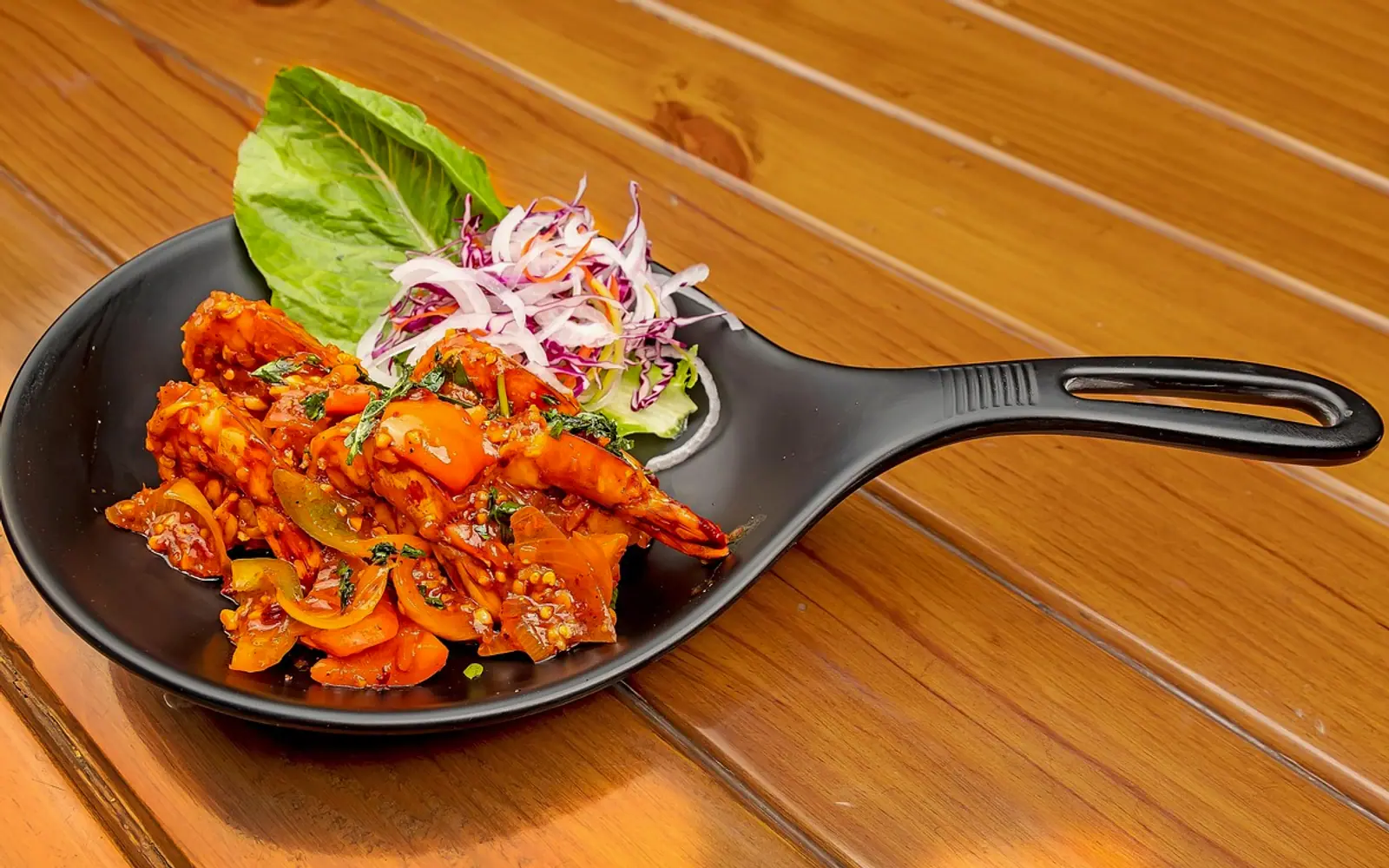
Getting a product onto shelves across the United States rarely happens through direct sales alone. Between the producer and the store sits a distributor that handles warehousing, transport, sales relationships and often a good deal of local market knowledge. Choosing that partner well, and working with it intelligently, can make the difference between a product that spreads steadily and one that sits in a warehouse.
Know what you want before you pitch
Distributors receive a steady stream of proposals. The producers who stand out are the ones who can explain in a few sentences who their customer is, what makes the product different and which channels matter most: independent grocers, chains, food service or specialty shops. Defining realistic volumes, price points and regions in advance also helps you spot partners who genuinely match your plans.
Study a distributor's existing lineup
The brands a distributor already carries reveal a lot. A portfolio full of premium imports suggests buyers who will understand an artisanal product; a lineup built on high-volume staples may point to a different kind of customer base. Look for a gap your product can fill rather than a direct competitor already being pushed by the same sales team. Asking for references from other producers is a reasonable step.
Specialists that focus on matching producers with partners, such as those listing food distributors USA, can shorten the research phase, especially for companies entering the American market from abroad.
Use online platforms with care
Digital marketplaces and B2B platforms make it easier to reach distributors in states you have never visited. They are convenient, but terms differ widely. Read the fees, payment terms, minimum orders and logistics responsibilities closely before committing, and keep in mind that a platform listing does not replace a direct relationship.
Make communication a habit
- Agree on expectations in writing: territories, exclusivity, reporting and pricing.
- Share news early, whether that is a recipe change, new packaging or a planned promotion.
- Ask for regular feedback from the sales team; they hear what retailers think first.
- Address problems quickly instead of letting them grow into disputes.
Build a partnership that works both ways
A distributor invests time and shelf space in your product. Supporting that effort with sales materials, samples, training for their reps or shared promotional budgets shows commitment and keeps your brand top of mind among dozens of others.
Get compliance right from the start
Food sold in the US must meet federal rules on safety, labelling and ingredient disclosure, and some states add their own requirements. Labels, nutrition panels and allergen statements often need adjustment for products coming from other markets. Experienced distributors can point out common issues, but responsibility stays with the producer, so specialist regulatory advice is a sound investment before the first shipment.