India has become one of the world’s most dynamic laboratories for digital finance. In just a few years, cashless payments have moved from being a convenience for urban consumers to an everyday utility for small merchants, rural households, gig workers, and large enterprises. What makes this transformation especially important is not only the scale of adoption, but also the speed of innovation. From QR-based micro-payments to real-time bank transfers and embedded finance tools, India’s payment ecosystem is setting new global benchmarks. As we look ahead, the future of cashless payments in India will be shaped by platforms that combine convenience, trust, interoperability, and financial inclusion.
UPI Remains the Engine of India’s Cashless Revolution
Any discussion about the future of cashless payments in India must begin with the Unified Payments Interface, or UPI. It has changed consumer expectations by making instant, low-cost, bank-to-bank transfers feel effortless. Whether users are paying a street vendor, splitting restaurant bills, or subscribing to digital services, UPI has created a seamless payment layer that works across apps and banks.
The most innovative platforms in India are not simply using UPI as a feature; they are building entire user experiences around it. Apps such as PhonePe, Google Pay, and Paytm have turned routine transactions into high-frequency engagement points. Their interfaces simplify bill payments, recharges, peer-to-peer transfers, and merchant checkout, making digital payments feel natural even for first-time users.
Looking forward, UPI’s future will be driven by deeper functionality. Recurring mandates, credit-on-UPI, international acceptance, and voice-assisted payments are likely to expand its reach further. The strength of UPI lies in its open architecture, which allows both established companies and emerging fintech brands to innovate without forcing users into closed ecosystems. That openness is one of the main reasons India’s cashless payment future looks exceptionally strong.
Digital Wallets and Super Apps Are Evolving Beyond Simple Payments
While UPI dominates everyday transfers, digital wallets still play a strategic role in India’s payment landscape. The most forward-looking wallet providers are repositioning themselves as broader financial platforms rather than standalone storage tools. This shift matters because consumers increasingly want payments, shopping, credit, insurance, and rewards within a single app experience.
Paytm remains one of the clearest examples of this evolution. What began as a wallet-led payment brand has expanded into merchant services, ticketing, lending partnerships, and financial products. Similar trends can be seen across super apps that integrate commerce and payments, allowing users to complete entire journeys without switching platforms.
This model is likely to grow because it reduces friction. Instead of treating payments as the end of a transaction, super apps treat them as the beginning of a longer customer relationship. They gather consent-based data, personalise offers, and create loyalty loops that encourage repeat usage.
For readers trying to understand the broader structure behind this rapid growth, resources that explain the 印度支付系统 can provide valuable context on how platforms, banks, and payment rails work together. That ecosystem-level understanding is essential because India’s next wave of innovation will come from companies that combine payment convenience with commerce intelligence and embedded finance.
Merchant-Focused Platforms Are Powering the Next Phase of Adoption
The future of cashless payments in India will not be decided by consumers alone. It will also be shaped by the millions of merchants who accept, reconcile, and depend on digital transactions every day. This is where platforms such as BharatPe, Pine Labs, Razorpay, and Paytm for Business have become especially influential.
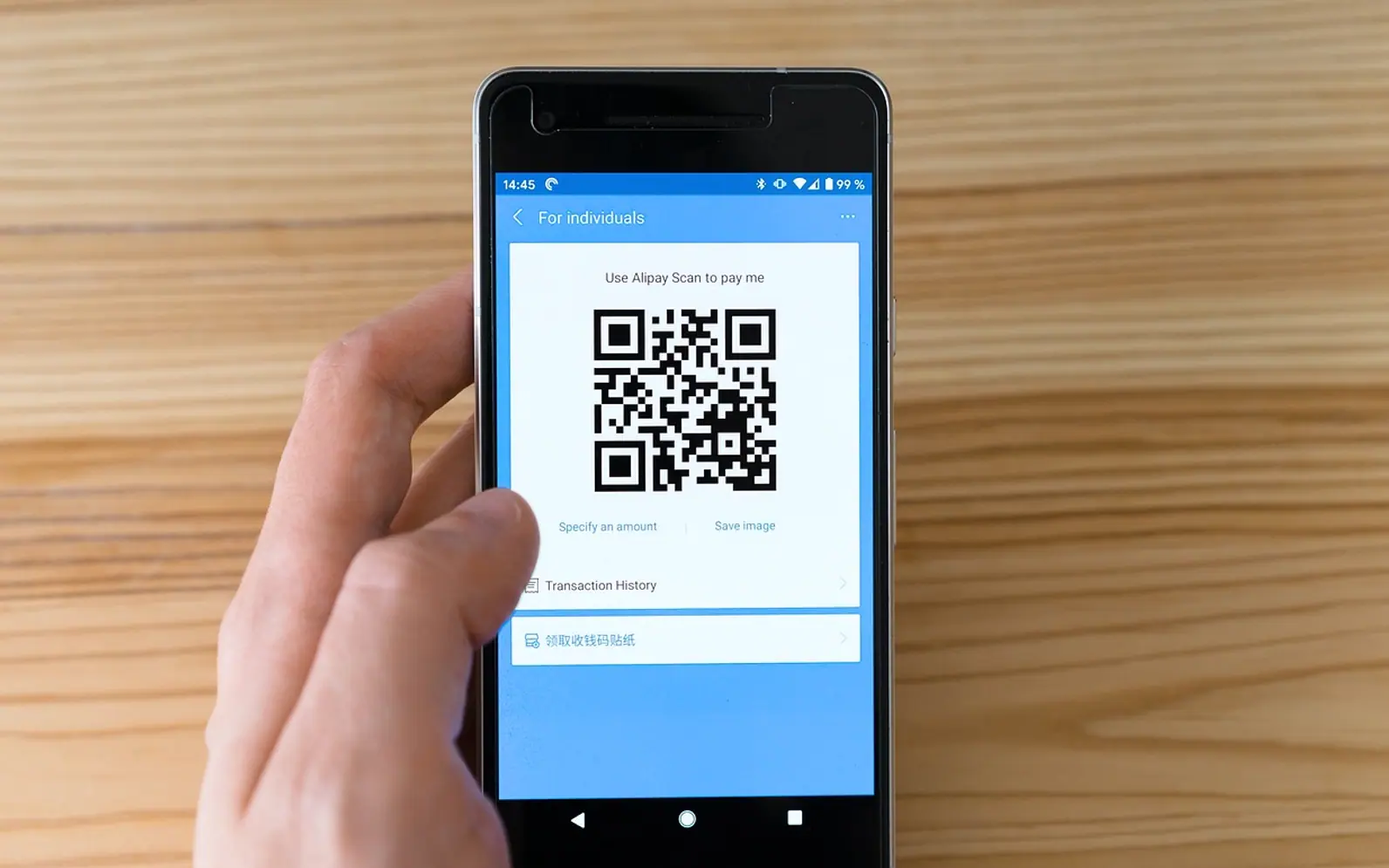
These companies are moving beyond payment acceptance. They now offer QR codes, point-of-sale devices, settlement dashboards, working capital access, invoicing, and customer analytics. For small businesses, that bundled approach is transformative. A merchant who begins with a simple QR code can gradually access loans, expense tools, and digital bookkeeping, all through the same platform.
This merchant-first innovation has major long-term implications. As more businesses digitise their payment flows, they generate transaction histories that can unlock formal credit and improve financial planning. That supports not only platform growth but also broader economic inclusion.
- QR interoperability has lowered entry barriers for even the smallest merchants.
- Instant settlements improve cash flow for daily operations.
- Value-added services such as loyalty tools and lending increase platform stickiness.
- Data-driven underwriting gives underserved businesses better access to credit.
In the coming years, the most innovative merchant payment platforms will be those that turn transaction acceptance into a full operating system for small and medium enterprises.
New Frontiers: Offline Payments, AI, and the Digital Rupee
India’s payment story is already impressive, but the next chapter could be even more significant. Innovation is now moving into areas that address reliability, security, and accessibility at a deeper level. Offline payments, for example, can make digital transactions possible in regions with unstable connectivity. That matters in a country where infrastructure conditions vary widely across states and districts.
Artificial intelligence is also becoming central to the future of cashless payments. Payment platforms are using AI to detect fraud in real time, personalise user journeys, automate customer support, and improve transaction success rates. As volumes grow, these capabilities will become essential rather than optional. The winners will be platforms that balance speed with safety and user trust.
Another important frontier is the digital rupee, India’s central bank digital currency initiative. While still in development and experimentation, it signals how public digital infrastructure may continue to evolve. If integrated thoughtfully with existing payment systems, a central bank-backed digital currency could enhance settlement options, improve traceability in select use cases, and support programmable payments for institutions and businesses.
At the same time, innovation must remain inclusive. Voice interfaces, regional language design, biometric authentication, and simple onboarding will be crucial for bringing more users into the formal digital economy. India’s strongest payment platforms will be those that combine cutting-edge technology with practical usability for ordinary people.
India’s most innovative cashless payment platforms are not winning simply because they process transactions quickly. They are succeeding because they solve real problems for consumers, merchants, and institutions at scale. UPI-led apps, super apps, merchant ecosystems, and emerging public infrastructure are all contributing to a payment environment that is faster, smarter, and more inclusive. As digital habits deepen and new technologies mature, India is likely to remain at the forefront of global payment innovation. The future of cashless payments in India is not a distant vision; it is already being built in real time by platforms that understand convenience, trust, and access better than ever before.