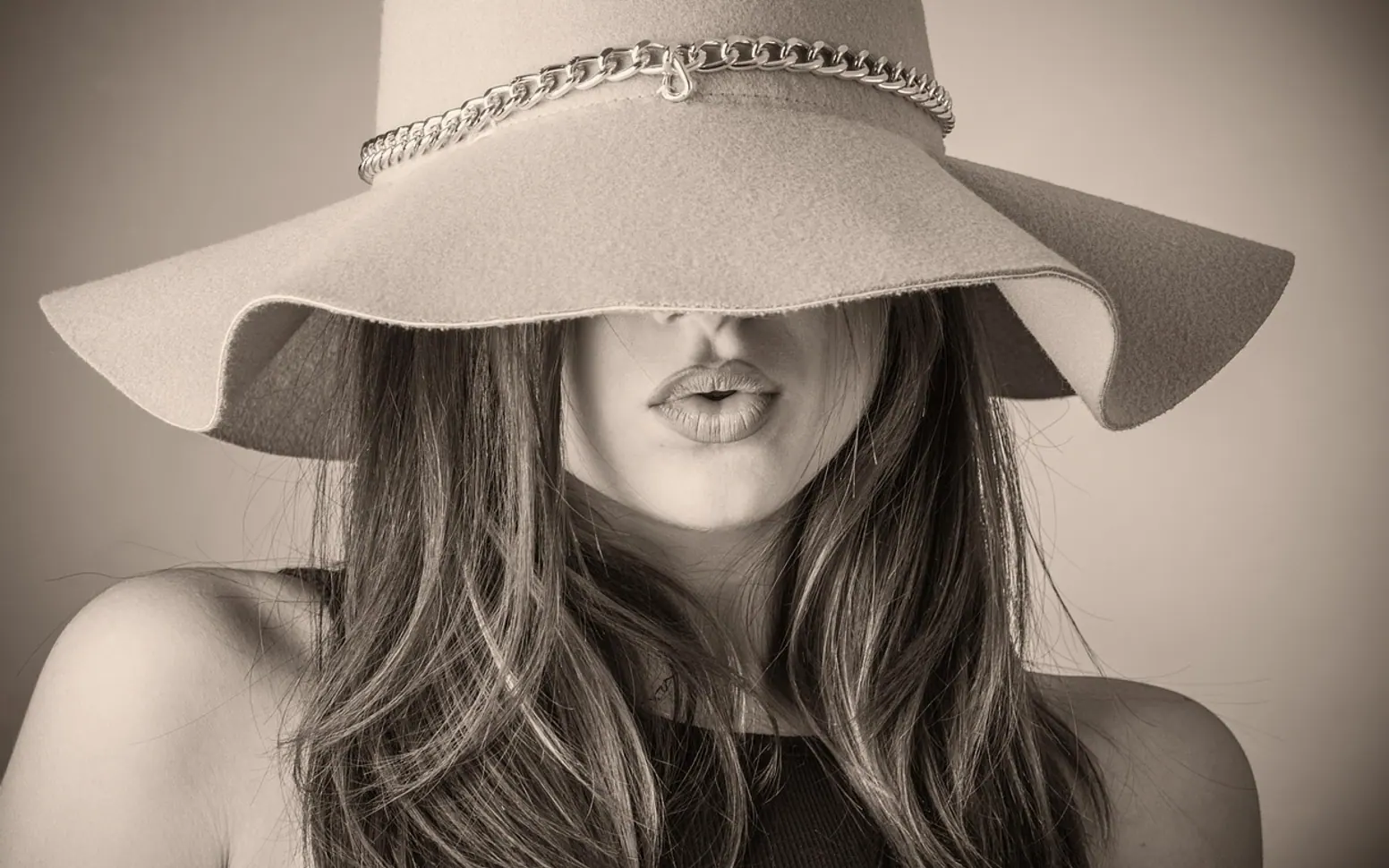
Personal branding has always depended on perception, but the way people form first impressions has changed dramatically. Today, a profile photo often speaks before a person does. Whether someone is networking on LinkedIn, pitching a service, applying for a job, or building an audience online, their image is part of the brand itself. That is why AI headshot generators are becoming such a powerful tool. They are not just a novelty in image creation; they are reshaping how professionals present themselves, control their visual identity, and compete in a crowded digital world.
As more work, hiring, and relationship-building move online, polished imagery is no longer reserved for executives, actors, or influencers. It has become a practical business asset. AI headshot generators are helping close that gap by making professional-looking portraits faster, more accessible, and easier to align with a clear personal brand.
First impressions are now overwhelmingly digital
In many industries, the first interaction does not happen in person. It happens on a website, a social profile, a speaker bio, or a company directory. Before reading credentials or experience, people often react to the image attached to the name. A strong headshot can communicate professionalism, confidence, warmth, and relevance in seconds.
That matters because personal branding is built on trust and recognition. If the visual presentation feels outdated, inconsistent, or low quality, it can weaken the message a professional is trying to send. On the other hand, a sharp, intentional image reinforces credibility. AI headshot generators are changing this process because they allow more people to create portraits that look deliberate and brand-aware, rather than improvised.
For consultants, freelancers, founders, job seekers, and creators, that shift is significant. A clean and modern headshot can help position them as serious, approachable, and aligned with their field. In a market where attention is limited, visuals often influence whether someone clicks, responds, or remembers.
AI makes professional imagery faster and more affordable
Traditional headshot sessions can be valuable, but they also require time, planning, wardrobe choices, location setup, and a larger budget. For many professionals, especially those building a brand on their own, that process can feel expensive or inconvenient. AI headshot generators offer a different path. They reduce the barriers to entry while still helping users achieve a polished result.
The appeal is not just speed. It is scalability and flexibility. Users can often create multiple looks, backgrounds, expressions, and styling options from a single upload process. That makes it easier to match a specific audience or platform, whether the goal is corporate authority, creative energy, or approachable expertise. The result is a more strategic visual toolkit instead of one photo used everywhere by default.
This is especially effective when the model trains on your likeness, allowing the output to reflect a recognisable version of the individual rather than a generic portrait. That distinction is important for branding. People do not just want an attractive image; they want one that still feels like them while presenting their best professional self.
Affordability also expands access. A student launching a career, a small business owner refreshing a website, or a remote team member updating a profile can now improve their image without waiting for a formal photo shoot. In practical terms, AI is helping personal branding become more inclusive and more responsive to changing professional needs.
Consistency across platforms builds stronger recognition
One of the most overlooked parts of personal branding is consistency. A professional may have a LinkedIn profile, portfolio site, company page, podcast bio, conference speaker profile, and social media presence, all viewed by different audiences. If the imagery varies too widely in quality, mood, or style, the brand can feel fragmented.
AI headshot generators help solve this problem by making it easier to create a coherent visual identity. Users can generate a set of images with a similar tone and aesthetic, then apply them strategically across channels. That consistency strengthens recognition and makes the brand feel more established.
Visual alignment also supports message alignment. For example, someone building a personal brand around leadership, trust, and expertise may want clean lighting, formal styling, and a confident expression. Someone in a creative field may choose a more relaxed or modern look. AI makes these choices easier to test and refine, which means professionals can shape how they are perceived instead of leaving that perception to chance.
Over time, repeated exposure to consistent visuals helps audiences remember a person more clearly. In branding terms, familiarity builds trust. When audiences see a polished, recognisable image across touchpoints, it reinforces the idea that the person behind the brand is thoughtful, current, and credible.
The technology reflects a broader shift in personal branding
AI headshot generators are not simply replacing photographers or automating portraits. They reflect a broader change in how personal brands are created and managed. Branding is becoming more agile, more digital-first, and more connected to everyday professional activity. People are no longer updating their public image once every few years. They are adjusting it regularly as roles, goals, and audiences evolve.
That makes AI especially relevant. It supports a faster branding cycle where professionals can refresh visuals for a new role, campaign, launch, or speaking opportunity without major delays. In competitive fields, that speed can matter. A current, polished image can strengthen a profile at exactly the moment visibility is needed most.
There is also a psychological advantage. When people feel confident in how they present themselves, they often show up more confidently in the opportunities that follow. A strong headshot can encourage more active networking, better profile engagement, and a more professional online presence overall. In that sense, AI headshots are not only changing how others see a person; they can change how that person participates in the market.
Of course, the most effective use of AI still depends on intention. The best results come when visuals support a clear message, authentic positioning, and a realistic version of the person behind the brand. Used thoughtfully, AI becomes a branding tool rather than a gimmick.
AI headshot generators are changing personal branding because they make high-quality visual identity more accessible, more consistent, and more adaptable. In a world where digital impressions carry real business value, that shift is hard to ignore. Professionals no longer need to choose between speed and polish, or between affordability and credibility. As AI tools continue to improve, they will play an even larger role in helping people present themselves with clarity, confidence, and strategic intent.