Hoesik and the Second Round: How Korean Work Dinners Run
A practical guide to hoesik, the Korean team dinner: how the rounds work, the etiquette foreign colleagues should know and how the custom is changing.
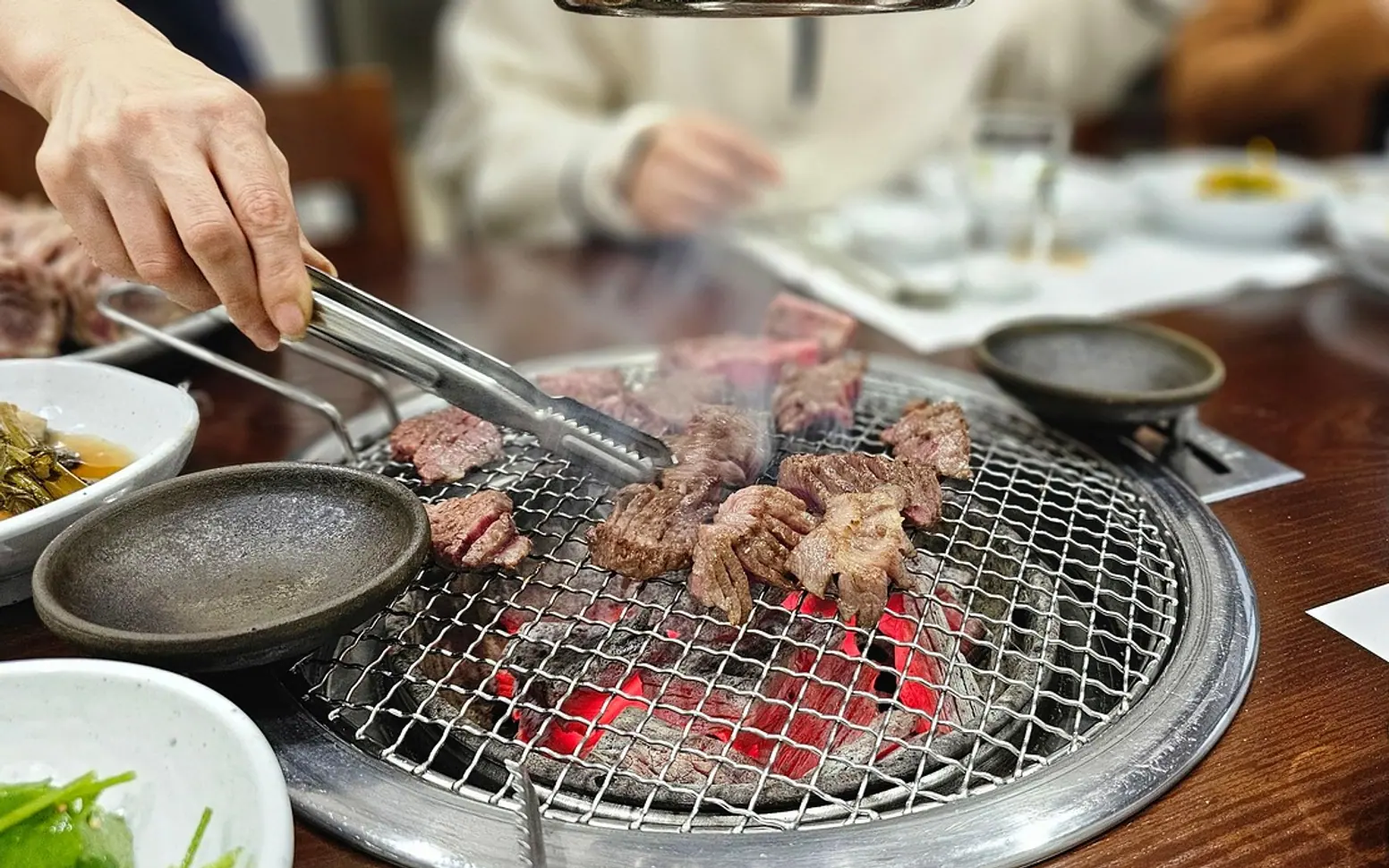
A hoesik is a Korean team dinner organised by the company or a manager, and it usually runs in rounds: a first round of dinner, often barbecue, then an optional second round (2-cha) at a bar or a karaoke room, and occasionally a third. For a foreign employee or a visiting business partner, the essentials are simple: arrive on time, follow the seating and pouring cues of your hosts, take part in the first round, and treat the later rounds as a choice you can decline politely.
What hoesik is for
Korean workplaces have traditionally valued group cohesion, and the team dinner is one of the places where it is built. Hoesik marks the end of a project, welcomes a new hire, says goodbye to a departing colleague or simply resets the mood after a demanding quarter. Conversation moves away from the agenda, junior staff get time with senior managers they rarely see one to one, and the company usually covers the bill. Understanding that purpose helps: the evening is less about the food and more about showing that you are part of the team.
How the rounds work
| Round | Typical setting | Who usually attends | What to expect |
|---|---|---|---|
| 1-cha (first round) | Restaurant, often Korean barbecue or a set menu | Most of the team | Shared dishes, toasts, a few words from the most senior person |
| 2-cha (second round) | A bar, a pub or a private karaoke room | A smaller group | Lighter food, drinks, singing or more relaxed conversation |
| 3-cha (third round) | A late-night snack place or another bar | A handful of people | Informal, increasingly optional |
The first round
Dinner is the core of the evening. At a barbecue restaurant the meat is grilled at the table, often by the most junior person or by whoever is handy with the tongs, and plates of side dishes are shared. The manager or team leader usually opens with a short toast. Attending the first round is the part that counts most, and leaving straight after it is generally accepted.
The second round
After dinner, part of the group moves on. A karaoke room is a popular choice because it gives the team a private space where everyone can join in, even people who are shy at the table. Some groups pick an ordinary noraebang, while others book a private room in a district such as Gangnam; a quick search for Gangnam Karaoke shows how these private rooms work and how groups reserve them. Singing is a team activity here: people clap, pick duets and cheer, and nobody expects a polished performance.
A possible third round
A third round is now the exception rather than the rule. If it happens, it tends to be a small group heading for late-night food. Excusing yourself at this point is entirely normal.
Etiquette for foreign colleagues
Seating
The seat facing the door or furthest from it is often reserved for the most senior person. Wait to be shown where to sit, or take a seat near the end of the table and let the hosts rearrange if they wish.
Pouring and receiving
- People generally do not pour their own drinks; colleagues fill each other's glasses.
- When a senior colleague pours for you, hold your glass with both hands, or with one hand supporting the other wrist.
- When you pour for someone senior, use two hands in the same way.
- Turning slightly away from the most senior person when you drink is a traditional courtesy; many younger teams no longer insist on it, so follow what others do.
- Soft drinks, tea or water are fine to pour and receive with the same gestures.
Toasts
Expect at least one group toast. A simple "geonbae" (cheers) is enough, and you may be asked to say a few words yourself. Thank the team, mention the project or occasion and keep it short.
Not drinking
Not drinking is far more accepted than it used to be. Health, religion, medication, driving or personal preference are all reasons people give, and a short, friendly explanation at the start of the evening avoids repeated offers. Keep a glass of something non-alcoholic in front of you so you can join every toast. If you do drink, know your limits, pace yourself with water and food, and never drive afterwards.
Leaving politely
- Stay through the first round and at least one toast.
- Tell your direct manager or the organiser before you leave, rather than slipping out.
- Thank the most senior person for the dinner.
- A short thank-you message the next morning is a good habit, especially if the company paid.
How attitudes are shifting
Hoesik has changed noticeably over the past decade. Shorter working hours, a younger workforce and a wider conversation about work-life balance have pushed many companies towards earlier, shorter dinners that end after the first round. Some teams replace the evening with a lunch outing, a cultural activity or a weekday afternoon event, and pressure to drink is increasingly seen as outdated. Many managers now state clearly that later rounds are optional. If you work across borders, it helps to treat these customs the way you would any other local business practice, much like the preparation behind working with partners in an unfamiliar market.
Quick answers
Do I have to go to hoesik?
It is rarely compulsory, but attending the first round, especially in your first months, shows goodwill. If you cannot attend, tell the organiser early and offer a reason.
Who pays?
Usually the company or the most senior person. Do not offer to split the bill unless it is clearly a casual, peer-only gathering. For a small firm running its own team dinners, keep the receipt and record it as a staff event expense, the routine habit covered in bookkeeping basics for small business owners.
Handled with a bit of preparation, a team dinner is one of the easiest ways for a newcomer to build trust with Korean colleagues: show up, follow the table's lead, join the toasts with whatever is in your glass, and leave at a sensible hour with a clear thank-you.