Watching the Spring Cycling Classics at Home: A Race-Day Plan for the Living Room
A one-day classic can run for most of an afternoon. How the race unfolds on screen, when to tune in, and how to organise food, friends and a second screen at home.
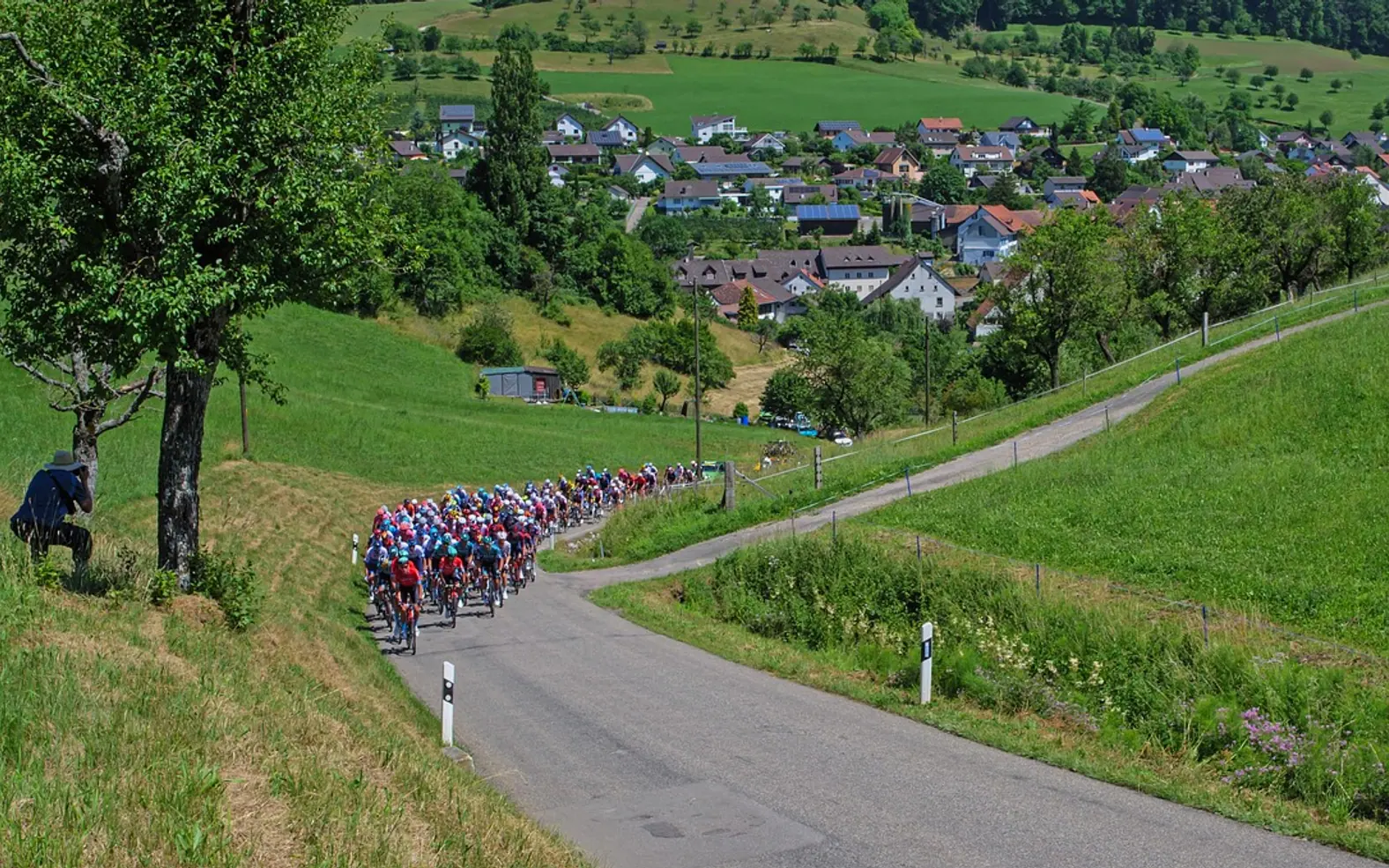
The spring cycling classics are easiest to enjoy at home when you know how the day is shaped: a long, quiet build-up, a breakaway that gets a head start, and a final hour or two where the decisive cobbled sectors and short climbs split the race apart. Plan your afternoon around that rhythm, with food that can wait, a second screen showing the route, and a clear idea of when the real action starts, and a five- or six-hour broadcast becomes a relaxed day in rather than a marathon on the sofa.
Why one-day races carry so much weight in Belgium
In many countries, cycling fans think first of the long stage races in summer. In Belgium, the one-day races of early spring hold a special place. They are run on narrow farm roads, over stretches of old cobblestones and up short, steep hills that often sit in the middle of villages. Spectators line the same corners year after year, and families plan gatherings around race day.
The appeal is partly the format. A one-day race has no tomorrow: there is no overall standings table to protect, so riders take risks they would avoid in a three-week tour. Weather plays a large part as well. Wind, rain and mud can turn a cobbled sector into a slippery test, and one badly timed puncture can end a rider's chances. That unpredictability is exactly what keeps viewers watching for hours.
How a long race unfolds on television
Most classics follow a recognisable pattern. Knowing it helps you decide when to watch closely and when you can step away to cook or chat.
- The start and the breakaway. Soon after the flag drops, a small group of riders attacks and is allowed to ride clear. Their lead can grow to several minutes, but the stronger teams usually keep them within reach.
- The long middle section. The main group, or peloton, rides at a steady pace. Teams protect their leaders and commentators fill the time with background on the region.
- The first decisive sectors. As the race reaches the cobbles and climbs, positioning becomes vital. Teams fight to be near the front before each narrow section, because riders stuck at the back can lose touch quickly.
- The attacks. The favourites start testing each other on the steepest climbs or the roughest cobbles. Groups split, chase and sometimes come back together.
- The finale. The winner often comes from a small group, a solo attack or, on easier courses, a sprint. The last half hour usually decides everything.
Why coverage starts hours before the finish
Broadcasters often pick up the race long before anything decisive happens. One reason is simple: the route itself is part of the show. Helicopter shots of fields and small towns give the broadcast a sense of place. The early hours also explain the late drama: a team that spent its energy chasing may leave its leader isolated later.
If you would rather not commit to the whole afternoon, check the schedule and note when the race is expected to reach its first major cobbled sector. Tuning in around then gives you the build-up without the quieter stretches.
Planning a race day at home
A good race day at home is mostly about timing. The table below offers one way to divide the afternoon.
| Phase of the race | What is happening | What to do at home |
|---|---|---|
| Early hours | Breakaway forms, peloton rides steadily | Put the race on in the background, prepare food that can be reheated or served cold |
| Middle section | Feeding zones, first small hills | Lay out the route on a tablet or laptop, check where the hardest sectors fall |
| Approach to the cobbles | Teams fight for position | Gather everyone, refill drinks, silence phones |
| Finale | Attacks, chases, the decisive move | Watch closely; save the snacks for the podium |
Food that suits a long broadcast is the kind you can leave out: soup on low heat, bread and cheese, or a simple stew. Avoid anything that needs the stove during the final hour.
A second screen makes a real difference. Showing the route profile and a map of the sectors lets you see what is coming next, so a commentator's mention of a climb or a cobbled stretch means something to everyone in the room.
Your television setup matters too. For live sport you want a stable connection and a channel line-up that carries the races, so it is worth checking what your current package includes before the season starts; French-speaking viewers who compare IPTV Belgique offers, for example, can confirm which sports channels are in the line-up well ahead of the first race. A practical look at what your household already pays for TV and streaming also helps you avoid adding a subscription you do not need. If you are curious about how television delivery has changed more broadly, there is a useful overview of modern ways to watch television in Belgium.
Watching with friends
A classic is a social event as much as a sporting one. A few ideas keep the afternoon enjoyable for everyone, including guests who rarely follow cycling:
- Give newcomers a two-minute explanation of the breakaway and the peloton before the finale starts.
- Let each guest pick a rider or a team colour to follow; it gives everyone a stake in the outcome.
- Keep the sound up during the final hour, when commentary explains split-second decisions.
Catching highlights later
Not everyone can give up a whole afternoon. Many broadcasters show an evening highlights programme or offer a condensed replay in their catch-up service. If you plan to watch later, mute notifications and avoid sports news until you have seen the finish; a result spotted by accident takes much of the tension out of the replay.
Do I need to know the riders to enjoy a classic?
No. Following the shape of the race, especially the fight for position before each sector, is enough to make the finale exciting. Names become familiar after a few races.
What if the weather is dry and the race seems calm?
Dry conditions often keep the main group together for longer, which can make the last hour tighter and more tactical. Keep watching: calm races still tend to break open on the final climbs.